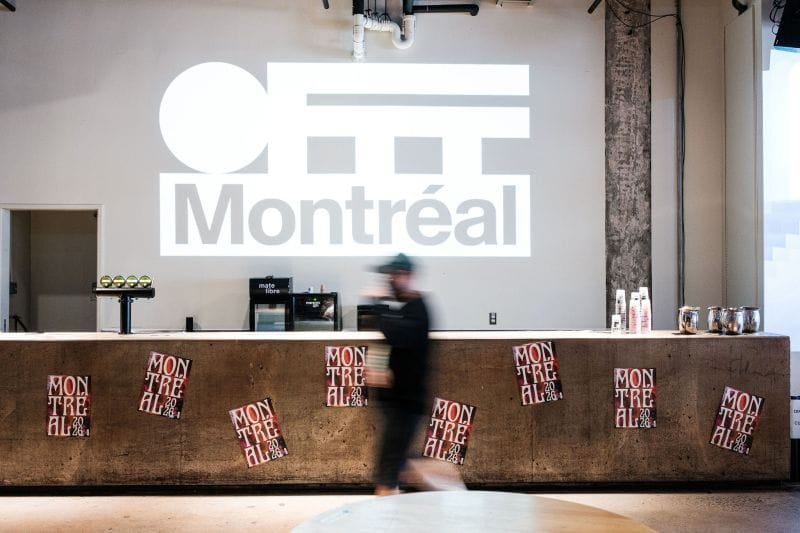

OFFF Montréal returned to the Société des arts technologiques on September 2–3, 2026, followed by FORUM on September 4. Across the public program, graphic design appeared beside branding, digital experiences, motion, technology, generative systems and creative direction.
That mix points to a larger change in the profession: designers are increasingly expected to understand how several parts of an experience connect. A brand no longer lives only in a logo. A website is not only a collection of screens. An AI-generated visual is not finished simply because it looks polished.
I did not attend this edition, so this is not a room-by-room event recap. I reviewed the official program, published speaker descriptions, local interviews and the organizers’ public updates to examine one question: what does OFFF Montréal 2026 reveal about the rise of the multidisciplinary designer?
The answer is not that every designer must become an expert in everything. It is that staying inside one narrow production task is becoming less useful when brands and digital experiences now move across so many connected formats.
OFFF Montréal treated creative work as one connected field
The official OFFF Montréal media room describes a creative week where graphic design, branding, publishing, digital culture, motion and visual experimentation intersected. The public schedule moved between studios, individual designers, production teams, a panel about creative visibility and a Krea workshop about directing AI-generated moodboards.
That range matters. Creative work is often sold as separate services—identity, website, motion, campaign, content—but audiences experience the result as one brand. A beautiful identity can feel inconsistent when the website ignores it. A strong interface can become confusing when motion is added without purpose. A campaign can gain attention while sending people to a digital journey that does not support the same message.
The designer’s value increasingly comes from understanding those connections, even when different specialists produce the final pieces.
Montréal’s creative culture already crosses disciplines
The multidisciplinary direction was not created by the festival. The public conversations surrounding OFFF and FORUM suggest it already exists within Montréal’s creative community.
In The Main’s interviews with three local creatives, Bryan-K. Lamonde’s work connects identity with public signage and everyday city systems. Joël Auchu describes a path from UX design into creative direction. Hayley Lim works across branding, lettering and directing and connects that range to Montréal’s collaborative culture.
These paths are different, but they share one characteristic: the designers are not changing disciplines randomly. Each new capability expands how they can shape an idea.
For a multidisciplinary designer, graphic design can establish the visual language, UX can organize how people move through information, and web knowledge can expose practical limitations before a concept reaches development. Motion, writing or AI tools may then support the experience when they solve a real problem.
The result is not a longer software list. It is a broader view of the work.
More skills matter only when they improve the decisions
“Multidisciplinary” can easily become an empty label. Knowing the basics of many tools is not the same as knowing why a project needs them.
A useful multidisciplinary approach should improve decisions such as:
- how a visual identity adapts from packaging or print to a small mobile screen;
- how typography, colour and imagery support navigation instead of competing with it;
- when motion explains a change and when it only slows the experience;
- which elements should remain consistent across a campaign and which should change by channel;
- when a freelancer can manage the connected work and when a deeper specialist is required.
The last point is important. Working across disciplines does not mean doing every task alone. Strong designers recognize where their responsibility ends, collaborate when the project needs deeper expertise and still protect the consistency of the final experience.
AI is increasing the need for direction rather than removing it
AI appeared in the program as part of the creative process rather than as a replacement for it. One workshop focused on building moodboards that guide AI generation with greater intention. A presentation preview from Talia Cotton described identity systems that balance precision with adaptability while using technology and generative methods.
This distinction matters because generative tools can create attractive material before they understand the complete system around it.
In my own Figma AI Design Agent test, the first result looked polished and included responsive desktop and mobile layouts. It still lacked working language behaviour, reusable components, reliable content and complete accessibility review. The tool expanded the speed of exploration, but the designer still had to evaluate what the output actually did.
AI therefore makes multidisciplinary judgment more valuable. Someone must connect the visual direction to content, interaction, accessibility, production and the business goal. Faster output does not remove those responsibilities; it makes unfinished work easier to mistake for a finished solution.
A strong portfolio now needs to show how the pieces connect
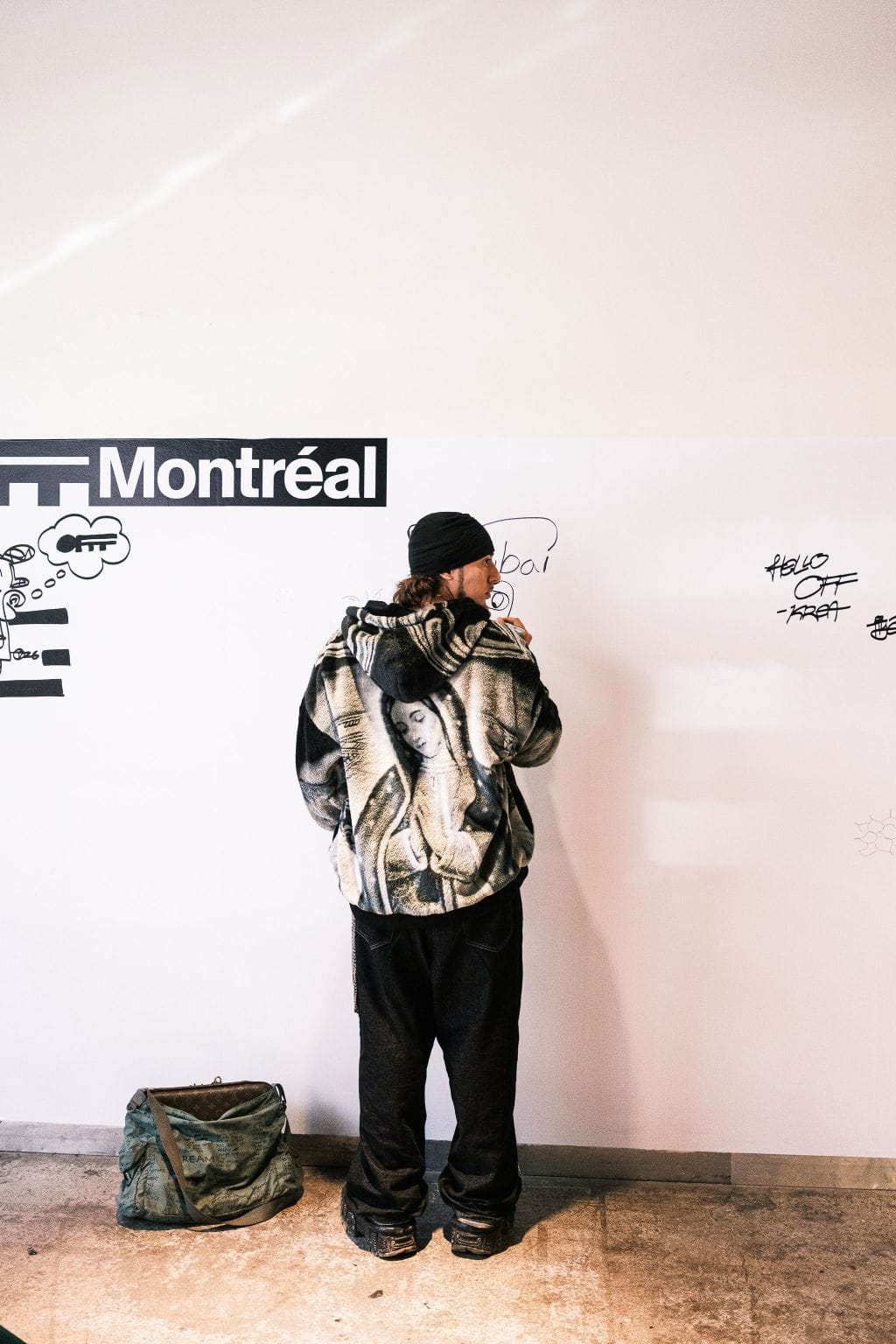
OFFF Montréal’s public program included a Stash panel about getting creative work seen and producing results. The organizers’ post-event updates describe a discussion covering portfolio frameworks, positioning and standing out in today’s creative landscape.
For designers, this is a useful reminder that a portfolio cannot rely only on attractive final images. A multidisciplinary portfolio should make the connections visible.
A case study can explain:
- what the client or user needed;
- which disciplines were actually relevant;
- how the visual and functional decisions supported one another;
- what changed between desktop, mobile, print or campaign formats;
- where testing, collaboration or production constraints affected the result.
This gives a client more useful evidence than a list of tools. It shows that the designer can carry an idea across touchpoints without losing the purpose behind it.
Creative relationships are part of the work too
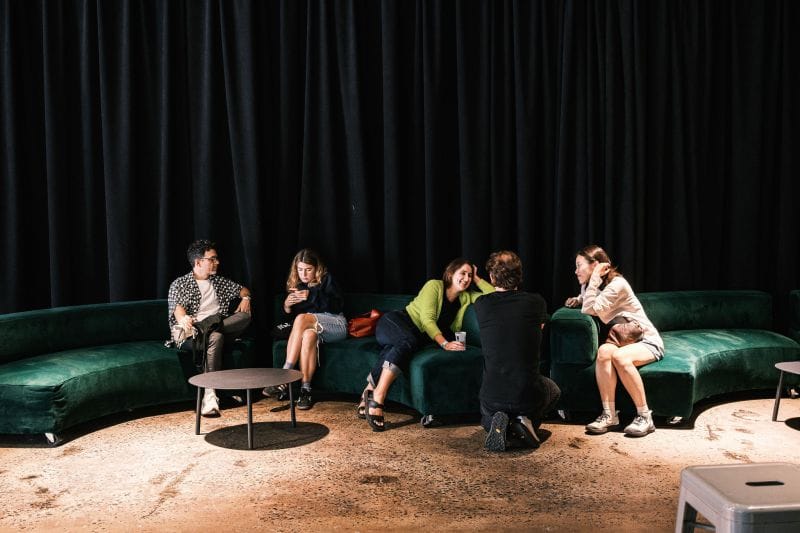
Technical range is only one part of multidisciplinary practice. After his OFFF appearance, Joël Auchu described his talk as being about building lasting creative relationships with clients at a time when creative work can feel devalued. OFFF Montréal’s public updates also emphasized community, collaboration and exchanges between local and international creatives.
That is relevant for independent designers. When one person helps connect branding, UX/UI and web work, communication becomes part of the deliverable. The designer must define the scope clearly, explain trade-offs, know when to bring in another specialist and prevent different outputs from drifting apart.
Clients are not only paying for files. They are paying for someone to understand the whole problem and make the process easier to navigate.
Businesses should hire for the shape of the problem
The rise of multidisciplinary designers does not make specialists unnecessary. It gives businesses another way to structure creative work.
A focused specialist may be the right choice for deep user research, complex motion, advanced development or a large identity program. A multidisciplinary designer can be especially valuable when a smaller or growing business needs several connected outcomes—such as a brand identity, campaign materials and a website that should all feel like the same company.
Before choosing a designer, a business can ask:
- Can this person explain how the deliverables support one another?
- Does the portfolio show reasoning, responsive behaviour and production detail?
- Can the designer identify accessibility or usability risks?
- Do they know which work they can lead and where collaboration is necessary?
- Will the final assets form a usable system or only a collection of attractive pieces?
Those questions reveal more than the number of applications listed in a profile.
Designers do not need to do everything, but they do need to see the whole experience
OFFF Montréal 2026 presented a creative field where identity, interfaces, motion, technology, culture and client relationships increasingly overlap. The local conversations around the event also showed that crossing disciplines is already part of how many Montréal creatives work.
The strongest lesson is not to collect every possible skill. It is to understand how different design decisions affect one another and to build enough range to guide the complete experience responsibly.
Specialization still creates depth. Multidisciplinary thinking creates connection. Modern creative work needs both.
If your business needs a visual direction that can remain consistent across branding, digital experiences and communication materials, explore my graphic design services or learn more about how I combine UX/UI, graphic design and web development.